Dance Camp and Competition In Kuala Lumpur
I was in Kuala Lumpur last week (December 5th – 7th) for the TDL Cup 2025 dance event. The schedule included two days of an intensive dance camp, followed by the competition on the final day.

Competition Results
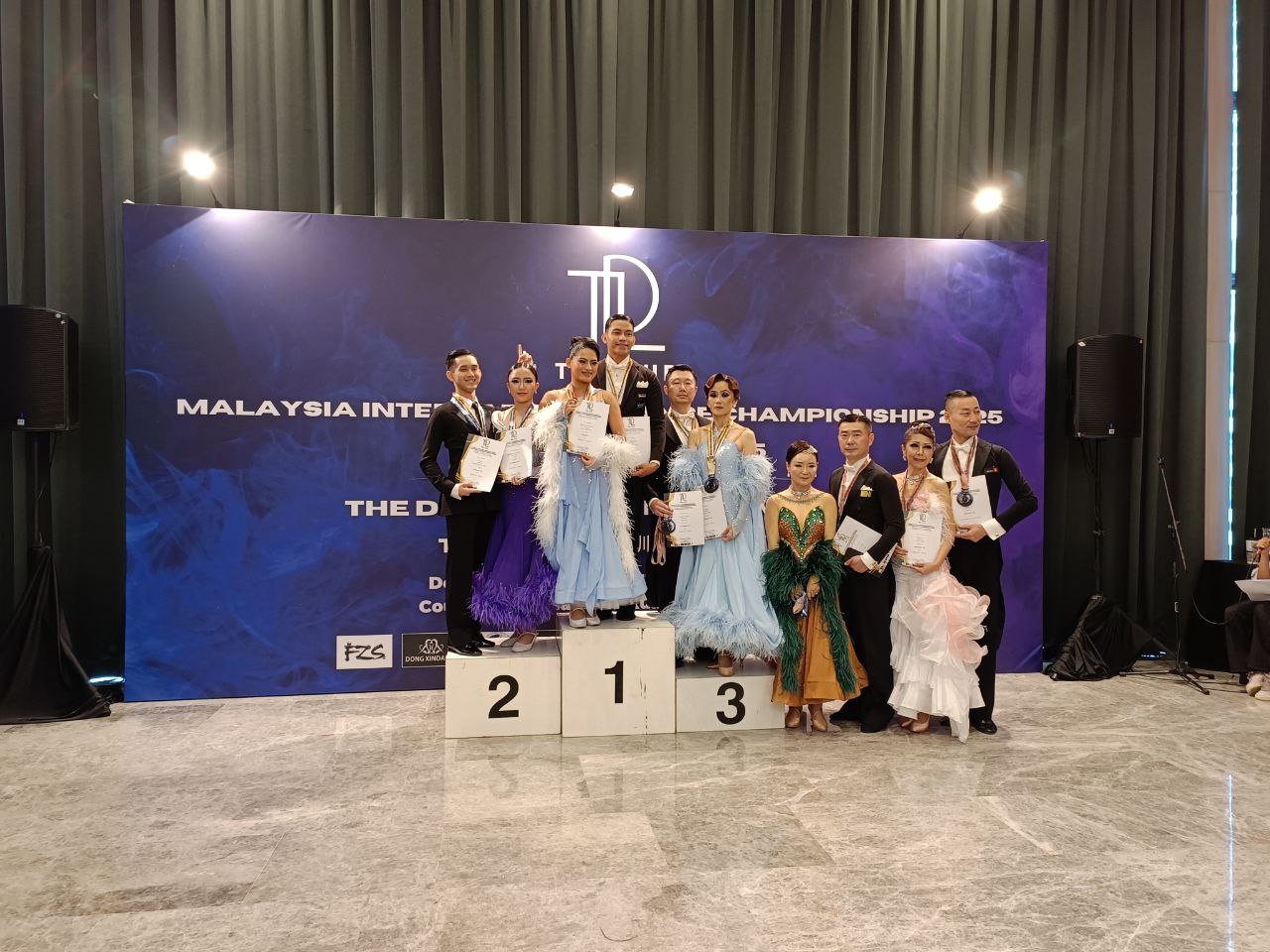
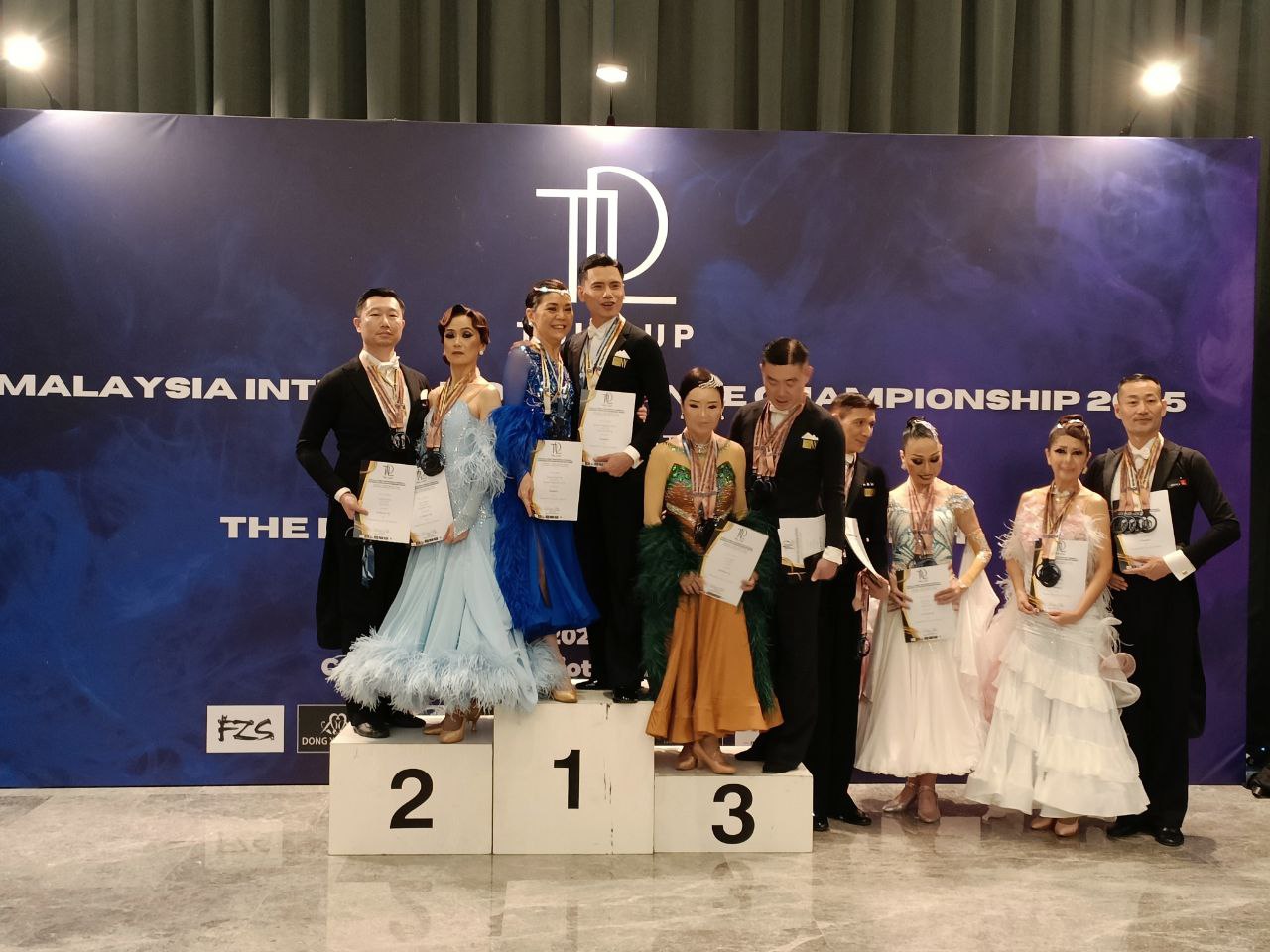
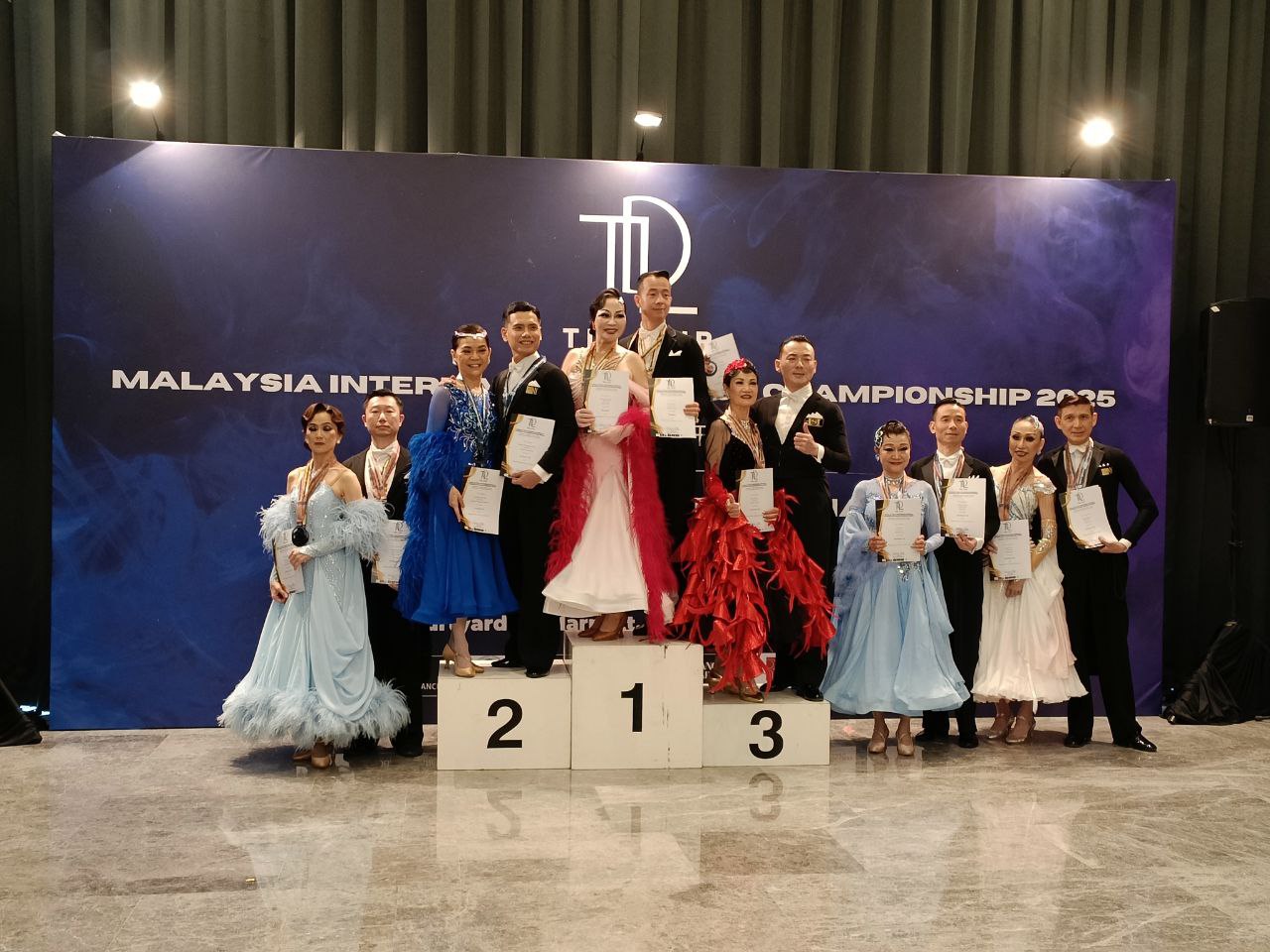
Knowing that Quickstep is our primary weakness, we strategically avoided events featuring it when possible. Here are our results from the competition:
| Event Category | Dances | Result |
|---|---|---|
| Pre-Amateur | Waltz, Tango, Quickstep | 3rd place |
| Senior Over 35 (2 Dances) | Waltz, Tango | 2nd place |
| Senior Over 35 (3 Dances) | Waltz, Tango, Foxtrot | 4th place |
| Amateur Rising Star Single Dance | Waltz | No Competition |
| Amateur Rising Star Single Dance | Tango | No Competition |
| Amateur Rising Star Single Dance | Foxtrot | No Competition |
Key Learnings from the Dance Camp
The camp featured four insightful lessons delivered by two different teachers. Two core concepts stood out:
1. Continuous Body Weight Movement
It is crucial that both the standing leg and the moving leg are constantly in motion, even if at different speeds. The objective is to connect more deeply with the music, contrasting with a common “wait-and-step on each beat” rhythm, which is a bad habit to avoid.
2. Using Body Alignment for Balance
We can improve footwork and correct weight placement by using our body parts as positional references. The ideal alignment is:
- Rib cage positioned directly above the toe.
- Tailbone positioned directly above the heel. This mental reference proved very helpful in finding and maintaining balance.
Post-Competition Reflection
- Initial Performance Jitters: My performance in the first few rounds was quite shaky. Although I kept my body warm with plenty of practice right before the event, it took some time for my mind to calm down. I was thankfully able to gradually achieve my normal standard in the subsequent rounds.
- The Importance of Calm: Gaining control and calming the mind during a competition is essential. This is what allows me to enter the optimal condition, or “state of flow.”
- Training Focus: My avoidance of Quickstep in practice showed. I need to dedicate significantly more time and effort to mastering the Quickstep moving forward.